CARD BINDER VS TOPLOADER: WHY MOST COLLECTORS ARE STORING $10,000+ COLLECTIONS WRONG
Toploaders win for $50+ cards, binders dominate under $30. Real comparison of costs, storage density, and damage risks for TCG collectors.
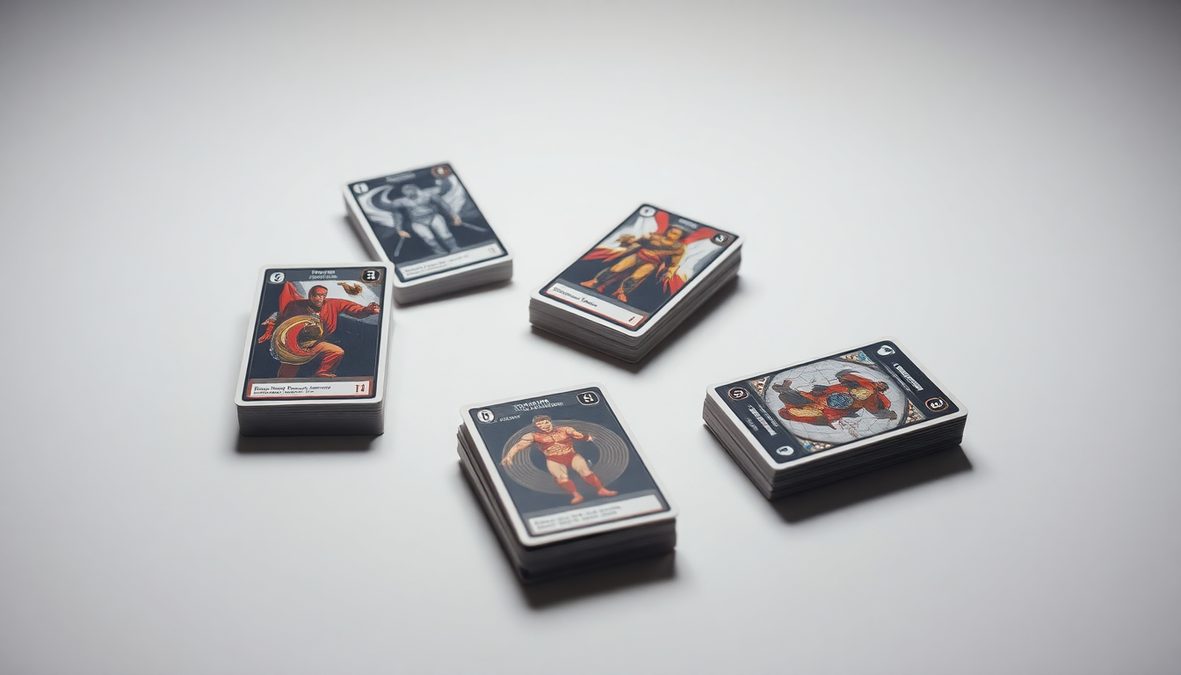
Toploaders win for cards worth $50+, but binders dominate for everything else. The break-even point sits around $30-40 per card when you factor in storage density, handling damage risk, and the hours you'll spend sorting through 500 toploaders versus flipping through a binder page.
This isn't about one method crushing the other. Your Umbreon ex SAR from Prismatic Evolutions? Toploader, no question. Those 47 bulk rares from Surging Sparks? Binder them. The entire mid-tier of your collection—cards in the $5-30 range—becomes a judgment call based on how you actually use your cards.
Here's the reality: I've watched collectors brick their Moonbreon alt arts in cheap binders, and I've seen others spend $400 on toploaders for cards worth $800 total. Both got it wrong.
Card Binder vs Toploader: The Quick Breakdown
*Factor | Binder | Toploader*
Best for value range | $0.25-$30 | $50+
Storage density | 360 cards per binder | 100 cards = 2 storage boxes
Handling safety | Medium (bend risk) | High (rigid protection)
Browse speed | Fast (flip pages) | Slow (sort through stack)
Cost per card | $0.06-0.15 | $0.15-0.50
PSA prep ready | No | Yes
Trade show portability | Excellent | Poor
When Toploaders Beat Binders Every Time
Toploaders exist for one purpose: protecting cards you can't afford to damage. The math changes completely once you cross $40-50 in card value.
A Charizard ex SAR from Obsidian Flames trades around $220 raw. In a PSA 10 slab, it hits $450-500. That gap represents your margin for error. One binder bend, one ring indent, one surface scratch drops you from gem mint to near mint. You just lost $250 because you wanted convenient storage.
The Real Cost of Toploader Storage
Standard toploaders run $0.15-0.20 each when you buy 25-count packs from BCW or Ultra Pro. Penny sleeves add another $0.02. You're at $0.17-0.22 per card minimum.
A 200-card collection costs $34-44 in toploaders. That same collection fits in a single 360-pocket binder for $15-30. Toploaders occupy roughly 3x the space—200 cards need two 800-count storage boxes versus one binder.
But here's where storage cost becomes irrelevant: if those 200 cards average $60 each, you're protecting $12,000. Spending an extra $20 and sacrificing shelf space matters exactly zero percent. Card Kingdom doesn't give buylist bonuses for space-efficient storage.
Premium toploaders matter for high-end cards. Standard toploaders measure 35pt (0.035 inches thick). Cards like the Black Lotus from Alpha or a PSA-ready Liliana of the Veil from Modern Masters need 55pt or 100pt toploaders with extra rigidity. These run $0.40-0.60 each. Worth it? Absolutely, if your card exceeds $200.
Cards That Demand Toploader Protection
Modern chase cards requiring toploaders:
Pokémon: Any SAR above $40 (Iono SAR at $85, Rika SAR at $120), Gold Mew ex from OP-09 ($180), Prismatic Evolutions full art trainers
Magic: Fetch lands from Modern Horizons 3 ($50-90), borderless Jace from Foundations ($65), Extended Art Doubling Season ($45)
Yu-Gi-Oh: Quarter Century Secret Rares from Age of Overlord (Diabellstar at $280), Ultimate Rares above $30
One Piece: Alt art leader cards from OP-08 and OP-09 ($50-200 range)
Lorcana: Enchanted cards universally (Elsa at $300+, Mickey at $150)
Cards headed for grading need toploaders immediately after opening. PSA won't ding you for pulling a card from a toploader, but binder rings leave indents that tank grades. I've seen pristine Charizard pulls from 151 drop to PSA 9 because collectors bindered them for three months first.
The Surprising Toploader Weakness Nobody Mentions
Toploaders create a false sense of security. Rigid plastic prevents bending, but it does nothing for surface scratches inside the toploader.
Most collectors make this mistake: they pull a card, sleeve it, topload it, then shuffle through their toploader stack repeatedly. Every shuffle risks micro-scratches where the penny sleeve meets the toploader edge. Every time you pull a card out and reinsert it, you risk surface damage.
Ultra Pro's solution: their "Platinum" line adds UV protection and a frosted finish that reduces internal scratching. At $0.35-0.45 per loader, you're paying double but actually protecting cards worth protecting. The standard clear toploaders from your local game store? Fine for $20 cards. Inadequate for $200 cards.
When Card Binders Are the Smarter Choice
Binders win on practicality for 95% of your collection. You're not sending bulk rares to PSA. You're not selling your 17th Gardevoir ex from Twilight Masquerade on eBay. You need these cards accessible, browsable, and organized without spending $90 on toploaders for $200 worth of cards.
The Real Binder Economics
Quality 9-pocket binders hold 360 cards (20 pages, both sides). Vault X and Ultimate Guard make the best versions at $25-35. That's $0.07-0.10 per card for storage.
D-Ring binders beat O-ring binders every time. O-rings create circular pressure points that indent cards. D-rings lay flat and distribute pressure across the entire spine. This matters more than brand name. A $15 D-ring binder from Amazon beats a $30 O-ring Ultra Pro binder.
Side-loading pages prevent cards from falling out. Top-loading pages were popular in the 90s and are objectively worse. Cards slide down from their own weight, edges get dinged, and you'll spend hours reorganizing pages. Side-loading pages from BCW or Vault X cost $8-12 for 20 pages and solve this completely.
Mid-tier cards perfect for binders:
Pokémon: Regular ex cards ($3-15), full art trainers under $25, any reverse holos you're actually collecting
Magic: Standard staples ($2-20), Commander bulk rares, draft commons/uncommons for cube building
Yu-Gi-Oh: Super Rares and below, Secret Rares in the $5-15 range, extra deck staples you swap between decks
One Piece: Common/rare leader cards, standard full arts under $30
Lorcana: Non-enchanted versions of chase cards, full art characters under $20
Your active trade binder should be your best binder. This is the one you're carrying to tournaments, showing at card shops, flipping through with potential trade partners. Spend $35 on a Vault X Premium or Ultimate Guard Zipfolio. Water resistance and reinforced corners prevent damage during transport.
Where Binders Fail Catastrophically
Ring damage is real and ruins cards. I've watched collectors brick $40 Giratina V alt arts from Lost Origin because they overstuffed binders. Each page should hold 9 cards maximum, not 18 (front and back). Double-sleeving both sides creates pressure that indents cards against the rings.
Cheap binders with PVC pages will damage your cards over years. PVC releases acids that yellow and degrade card stock. Polypropylene pages cost the same and don't have this problem. Check the package—if it doesn't explicitly say "acid-free polypropylene," don't buy it.
Binders are terrible for climate control. Cards in binders exposed to humidity will warp. Florida collectors and anyone in humid climates should use silica gel packets in binders or accept that only toploaders with rubber bands + storage boxes protect against moisture.
The $5-50 Range: Where the Real Decision Happens
Most cards you pull fall in this valley. A Tera Charizard ex from Obsidian Flames sits around $15. Bonnie full art from Surging Sparks hovers at $8. Cyclizar ex at $6. Magic's Sheoldred from Phyrexia: All Will Be One fluctuates between $12-18.
These cards deserve better than bulk storage but don't justify toploader expenses. This is where your collection strategy matters more than protection method.
Active vs Passive Storage
Active cards = You trade them, play them, or show them frequently. Binder these. The convenience of flipping through pages beats the marginal protection benefit of toploaders. You're handling them constantly anyway.
Passive cards = You're holding long-term for price appreciation or grading later. Toploader these if they exceed $20. Cards like Iono full art trainer from Paldea Evolved ($25) or Liliana of the Veil from Dominaria Remastered ($30) might grade well in two years. Don't risk binder damage.
The hybrid approach that works: Binder everything under $15. Toploader everything over $40. The $15-40 range gets bindered in your best binder with minimal page stuffing, or toploaded if you think you'll grade it eventually.
Grading Changes Everything
PSA pricing makes the toploader decision for you. At $25 per card for value tier submissions, you need raw cards worth at least $60 to break even on a PSA 10 grade bump. That's your threshold.
A Gardevoir ex SAR from Twilight Masquerade trades raw at $45. PSA 10 examples sell for $140-160. Worth grading? Absolutely. Worth risking binder damage while you wait for a good submission deal? Absolutely not. Toploader it immediately.
Compare this to Mimikyu ex SAR from Paldeal Evolved at $12 raw, $35 in PSA 10. The grade bump is $23 before PSA fees. After fees and shipping, you make $5 if you're lucky. Binder it and move on.
Storage Solutions for Different Collection Sizes
Under 500 cards: Two or three D-ring binders handle everything under $30. One toploader box holds your premium cards. Total cost: $50-70 for complete organization. Store binders vertically like books to prevent warping.
500-2000 cards: Multiple binders get annoying. Sort by set and value. Active trade binder for cards you're moving, one nice binder for $10-30 cards you're keeping, cheap binders for bulk organization. Toploaders go in BCW or Ultra Pro boxes with dividers. Label everything. You will forget what you have.
2000-5000 cards: You need a storage cabinet. 5-row BCW boxes hold 3200 cards in toploaders with room for dividers. Elite Trainer Boxes aren't real storage solutions—they're temporary holders. Use them for in-progress sorting only. Your premium toploaders should be in a safe or fireproof bag. House fires don't care about your collection.
5000+ cards: If you're not tracking inventory in a spreadsheet, you're running a bad business. Binders become pure display/trade tools. Bulk storage boxes for everything under $5. Toploaders for $50+. The middle tier should be consolidated into long-term binders you rarely open. Consider a Pokemon card collecting app like TCGplayer or Cardsphere for tracking, but verify prices monthly—apps lag market changes.
What Experienced Collectors Actually Do
Talk to anyone with $50k+ in cards and they use both methods, split by simple rules.
Toploaders: Anything worth more than their hourly rate to replace. If you make $30/hour, toploader anything worth $30+. The time you'd spend hunting down another copy justifies the storage cost.
Binders: Everything they need to reference quickly. Set completion checklists, cards they're actively trying to trade, theme collections (all Pikachu cards, all planeswalkers, etc).
The binder mistake even experienced collectors make: Keeping outdated trade binders. That binder full of Brilliant Stars hits from 2022? Half those cards dropped 60% in value. Pull anything worth under $3, bulk it or donate it to new players. Keep binders tight.
The toploader mistake: Buying premium protection for cards that will never grade. Your off-center Mewtwo ex from 151 doesn't need a $0.45 Platinum toploader. It's worth $8 and will never hit PSA 10 because it left the printer crooked. Use standard toploaders or just binder it.
Special Cases That Break the Rules
Vintage cards: 1999 Base Set Charizard, Alpha Black Lotus, LOB-1st Edition Blue-Eyes White Dragon—these get specialized storage regardless of value. Toploaders minimum, preferably graded already. Raw vintage in binders is asking for disaster.
Sealed product cards: You pulled a Moonbreon from an Evolving Skies booster box you're documenting? Toploader it immediately, photograph it, then store it separately from your boxed pulls. These cards often appreciate faster than normally pulled versions because you can prove providence.
Promos and tournament rewards: Prize cards with unique stamps or regional variations need toploaders even if current market value is low. A $15 regional promo might hit $100 in three years. Historical significance beats current price for storage decisions.
Playtest and proxy cards: These go in the cheapest binders you can find. Don't waste good storage on cards you printed at home for Commander testing.
Pick Toploaders If...
You're sitting on cards worth $40+ each and have concrete plans to grade or sell them. You care more about maximum protection than convenience. You have space for storage boxes. You're actively building a high-end collection with cards that appreciate. You want PSA-ready storage from day one.
Pick Binders If...
You need to browse your collection quickly. You trade frequently at local shops or events. Most of your cards fall under $20. You're organizing set completions or theme collections. You have limited storage space. You want to display your collection to friends without handling individual cards.
Pick Both If...
You're a serious collector with a diverse collection. Use toploaders for $50+ cards and anything you'll grade. Use binders for active inventory under $30, trade cards, and set organization. Keep one premium binder for $20-40 cards you're monitoring. Store toploaders in boxes with dividers, binders vertically on shelves, and track everything in a spreadsheet.
The collectors who damage valuable cards aren't stupid—they just haven't done the math on when each storage method makes sense. A $200 card in a binder is reckless. A $5 card in a toploader is wasteful. The middle ground is where you make your money or lose it.